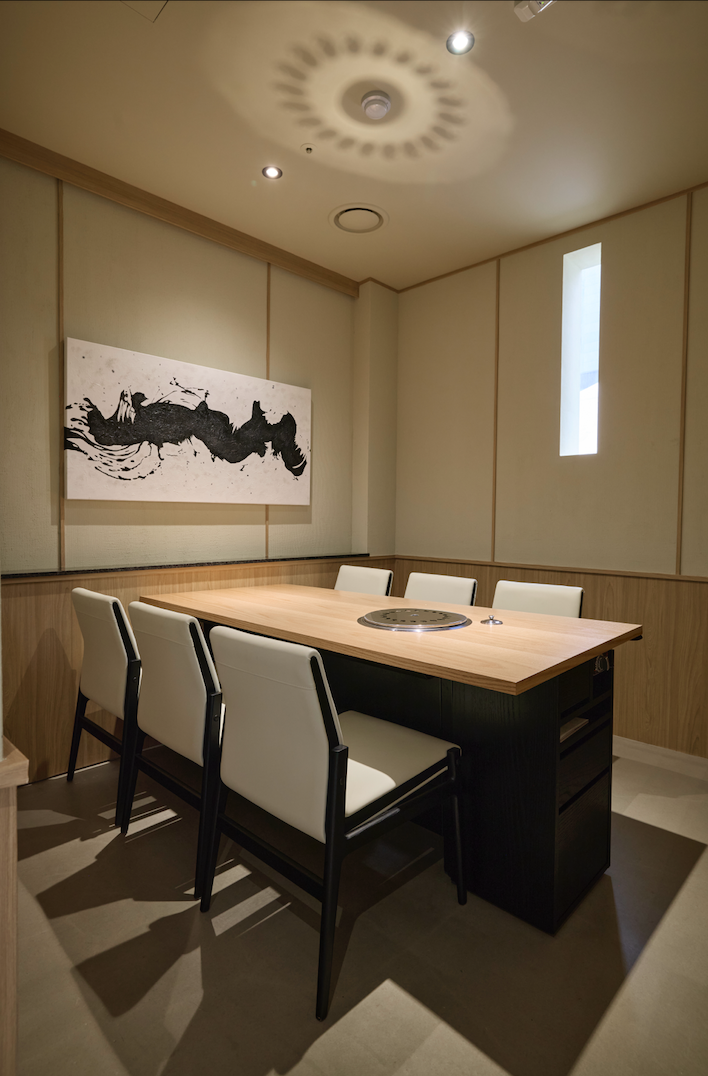
Looking for Korean galbi restaurant Seoul? Seolya Galbi Cheongdam offers a cut-by-cut beef dinner in Gangnam with staff handling the grill. This guide connects a specific travel plan with the menu and reservation details that matter.
Egg sauce as an optional line rather than a compulsory topping
The marinated-rib listing gives an egg-sauce addition separately. A diner can decide whether to select it, and the order note should make that choice explicit. Do not automatically apply the same sauce charge to a dish that lists an included sauce of its own. The menu distinction is enough to make the bill clearer without inventing a required way to eat galbi. If eggs or another ingredient matter to the party, ask directly about the actual preparation and handling rather than treating the dish name as a full ingredient declaration.
Different units and day-specific items
Read weight, pieces, origin and selling day together. The signature ribs use boneless 100g listings, while the mushroom dish uses pieces and the Sunday bone-in ribs have their own weight basis and minimum order. These are not interchangeable labels. Select the menu relevant to the real visit day, and ask about limited cuts when they are central to the plan. A higher gram number that includes bone cannot establish a better value than boneless meat without a valid comparison. Likewise, an overall Hanwoo description does not replace an explicit U.S. origin on a separate item. Keep the selected product’s own conditions intact.
The relevant official details
The menu lists gomtang at KRW 19,000, each of the two noodle dishes at KRW 13,000, crab doenjang stew at KRW 14,000 and rice at KRW 2,000 separately. Hojicha bingsu is KRW 19,000. These are individual selections, not an automatically included galbi course.